Avoid These Pitfalls for a Successful Paint Job
Painting the outside of your house can make it look fresh and new. However, if not done right, it can lead to problems. A poor paint job might peel or fade quickly. But by knowing what mistakes to avoid, you can achieve a long-lasting and beautiful finish. In this guide, you’ll learn about common errors people make when painting their homes and how to do it better.
Skipping Proper Surface Preparation
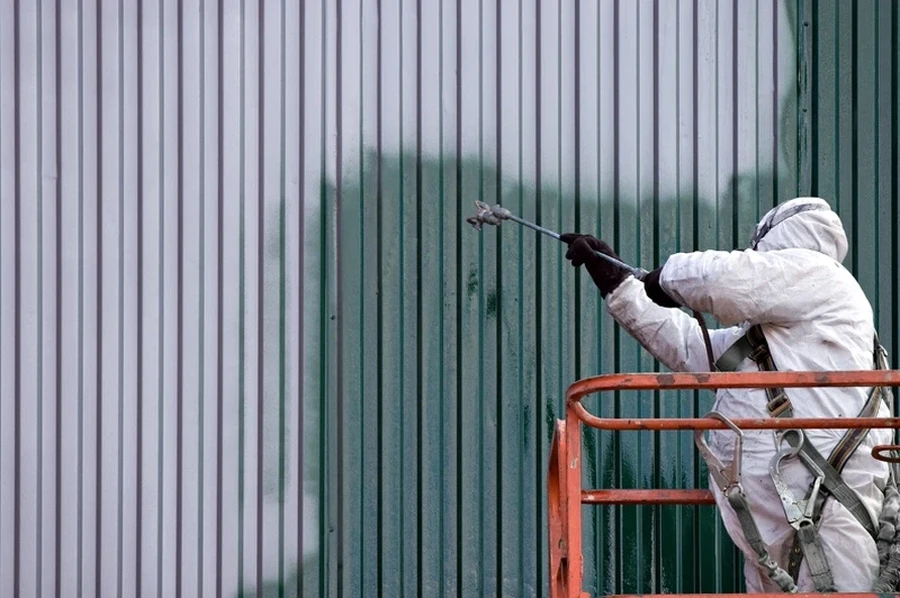
One of the biggest mistakes is not preparing the surface well. Before applying paint, the walls must be clean and smooth. Dirt, old paint, and mold should be removed first. Without proper preparation, paint won’t stick properly, leading to peeling or uneven surfaces.
Choosing the Wrong Paint Type
Selecting the right type of paint is crucial for outdoor projects. Many people don’t consider the weather conditions their home faces throughout the year. It’s important to pick a paint that can withstand rain, sun, and temperature changes. Using high-quality exterior paints ensures durability and color retention over time.
Ignoring Weather Conditions
Weather plays a big role in painting success. If it’s too hot or cold, paint may not dry correctly. Rainy days can also ruin a fresh coat. Always check the weather forecast before starting your project to ensure the best results.
Using Insufficient Primer
Primers prepare the surface for paint and help it adhere better. Skipping primer or using too little can cause problems later. It might seem like an extra step, but priming saves time and money by extending the life of your paint job.
Poor Application Techniques
Application methods affect the outcome as much as product choice does. Incorrect application techniques can leave visible brush strokes or roller marks on your walls. For even coverage, apply paint in multiple thin layers rather than one thick coat.
- Use quality brushes and rollers suited for your paint type.
- Apply in light, consistent strokes for an even finish.
- Allow each layer to dry completely before adding another.
Failure to Protect Surroundings
Not protecting areas around your work site can lead to unintended messes. Cover plants, paths, windows, and doors with plastic or drop cloths before beginning any painting work. This step keeps unwanted paint splatters at bay and reduces clean-up efforts later on.
Overlooking Safety Precautions
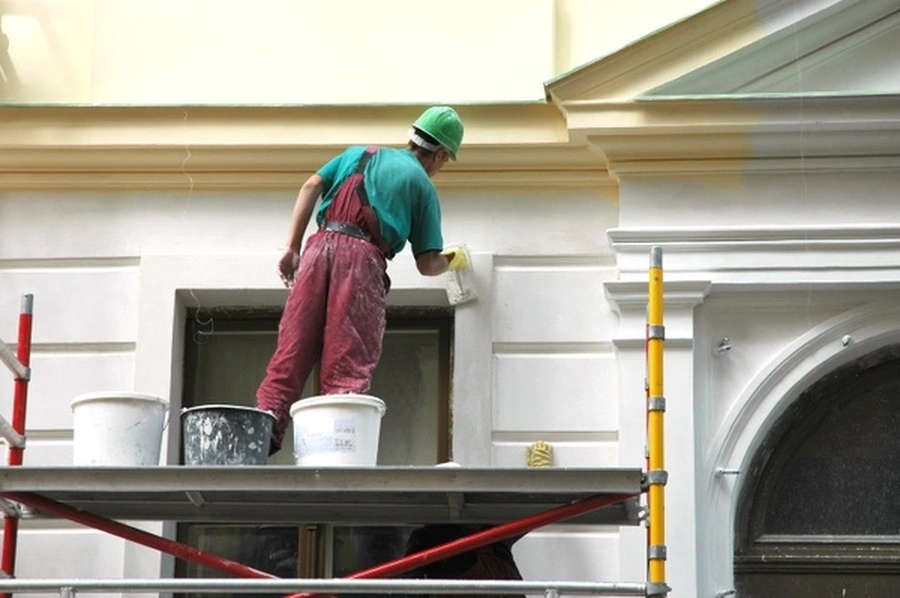
Safety should always come first in any home improvement project. When working outdoors or at heights, ensure all ladders are stable and secure. Wear protective gear such as gloves and goggles to keep yourself safe from harmful chemicals found in some paints.
- Inspect ladders for stability before use.
- Wear masks to avoid inhaling fumes.
- Keep workspace tidy to prevent trips or falls.
The Importance of Timing Your Project
Timing is key to a successful exterior painting project. Plan ahead so you have enough daylight hours for each task without rushing through them. Take seasonal factors into account as well-spring and fall often provide ideal conditions for painting due to milder temperatures and lower humidity levels.
Your Pathway to Success
By avoiding these common pitfalls in painting projects, you’ll enhance your home’s curb appeal while ensuring lasting results. If you’re looking for professional guidance or need expert help with your next painting endeavor, reach out today! Based in Blaine, WA, I offer personalized advice tailored specifically to meet your needs. Call me directly at (360) 277-6107 for more information about how David Rose Handyman Services can assist in making your vision come true.